2026-10-13
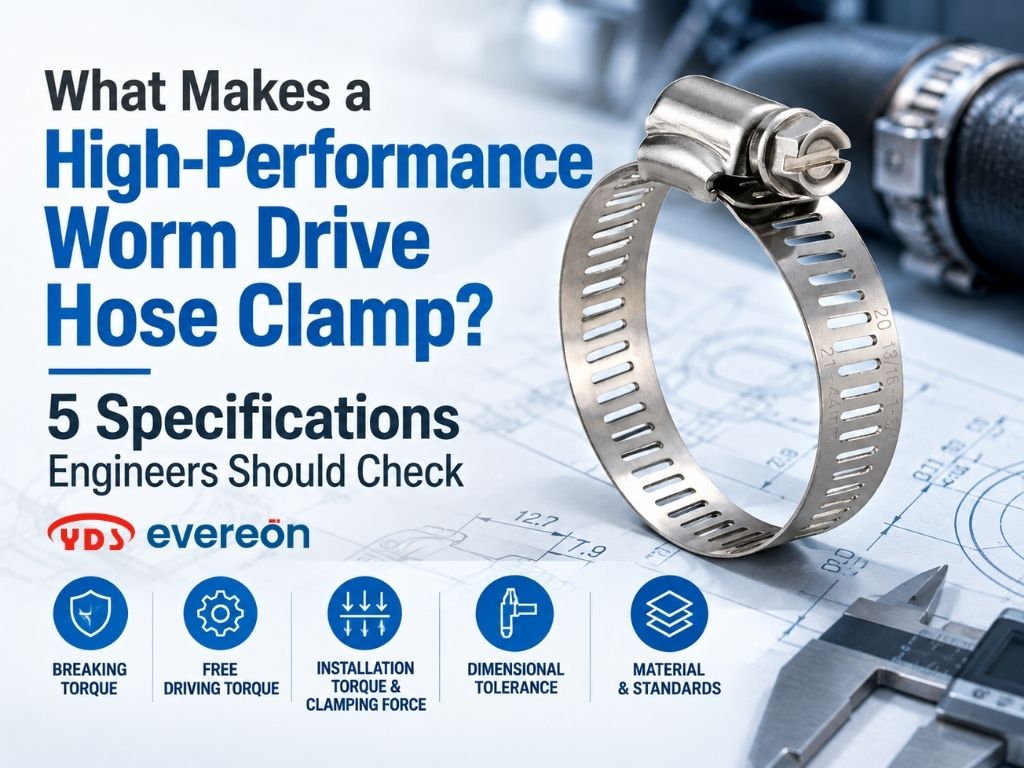
This article explains five important specifications to check when comparing worm drive hose clamps, how they relate to practical applications, and what to consider when evaluating a manufacturer.

2026-09-01
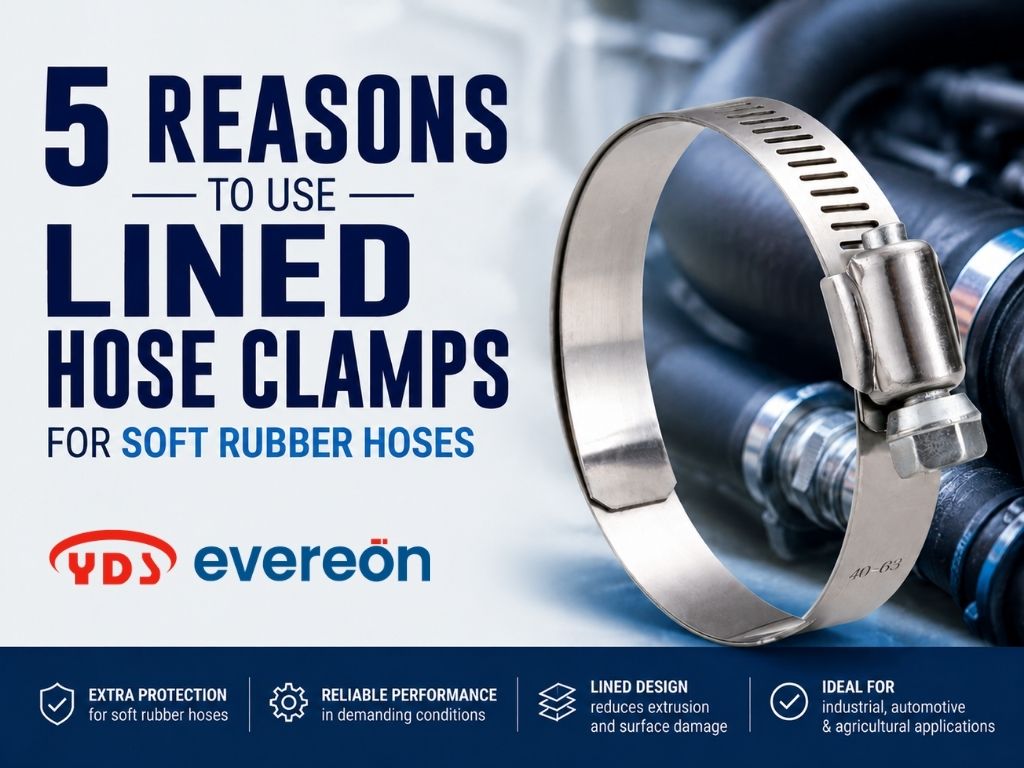
Lined hose clamps address this issue by adding a smooth liner between the perforated band and the hose surface. The liner allows the clamp to retain the practical advantages of a worm drive design while providing an additional layer of protection for softer hose materials.
So, when should you consider using a lined hose clamp instead of a standard clamp? Here are five important reasons.
2026-08-10
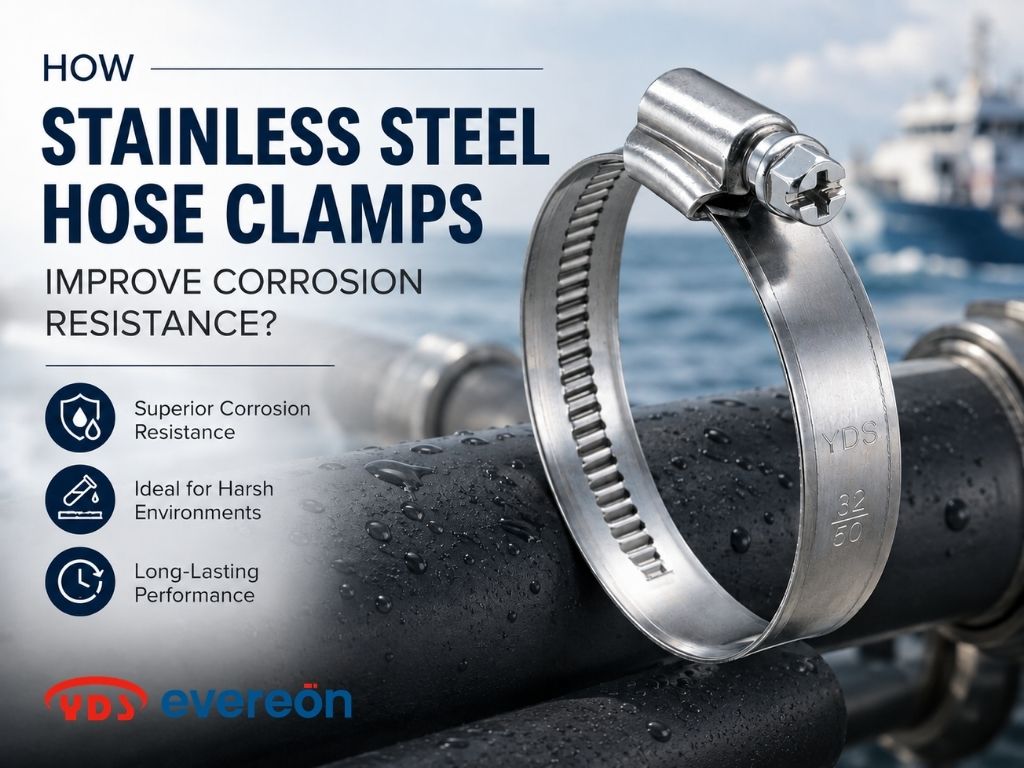
This guide explains how stainless steel improves corrosion resistance, compares common 430, 304, and 316 stainless steel grades, and outlines the key factors engineers and buyers should consider when selecting corrosion-resistant hose clamps.
2026-07-08
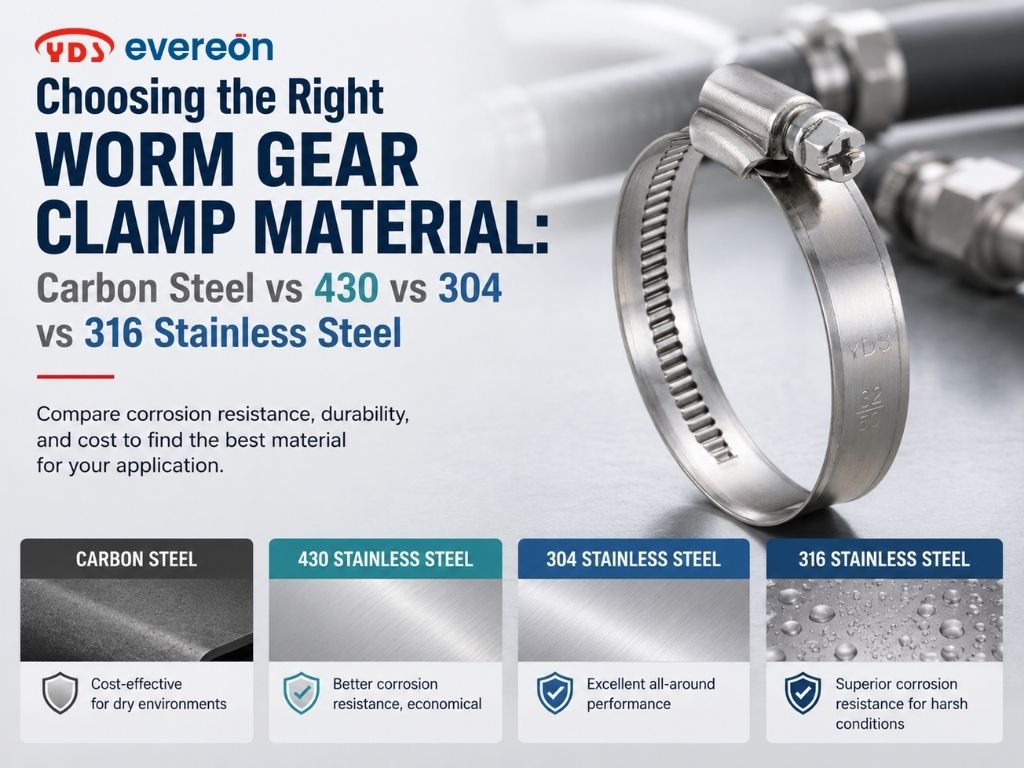
Understanding the characteristics of different materials helps engineers, OEM manufacturers, and purchasing professionals select the most suitable solution for their applications.
2026-06-04
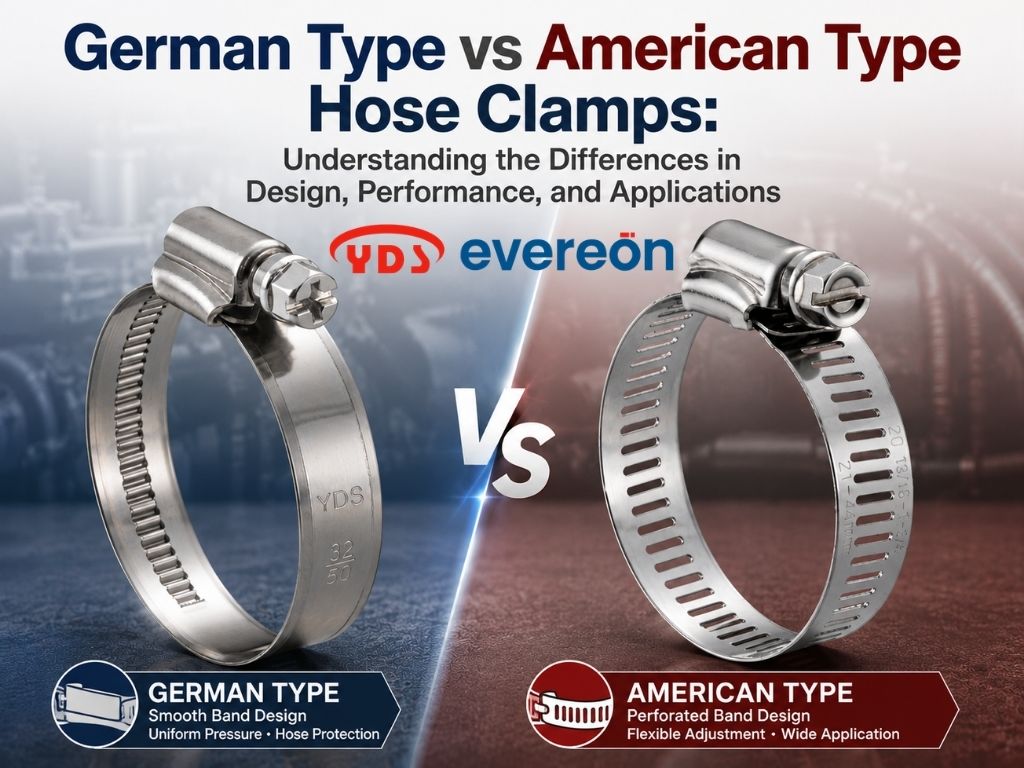
Understanding the differences between German and American type hose clamps can help reduce leakage risks, improve hose life, and optimize overall system performance.
2026-05-12
Understanding why hose clamps fail is essential for improving system reliability, reducing maintenance costs, and preventing unexpected downtime.